
Technical materials · Custom conversion
Materials selected for the way your part will be used.
Converted materials
Material is the project’s first technical choice.
Découpe Express converts several families of flexible, semi-rigid and plastic materials into custom gaskets and technical parts. The appropriate choice depends on the required function, operating environment and manufacturing process.
This page provides guidance by family. The final grade must always be confirmed against your actual operating conditions.
Material families
A range suited to sealing, protection and manufacturing requirements.
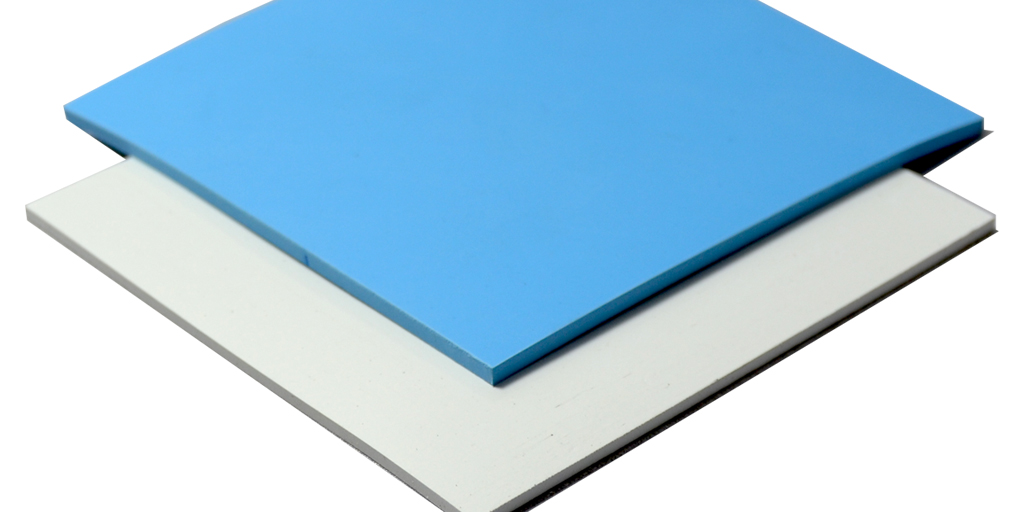
Rubbers and elastomers
A family commonly used for gaskets, sealing, cushioning or protection. The grade must be selected according to mechanical, thermal and chemical constraints.
Explore custom cutting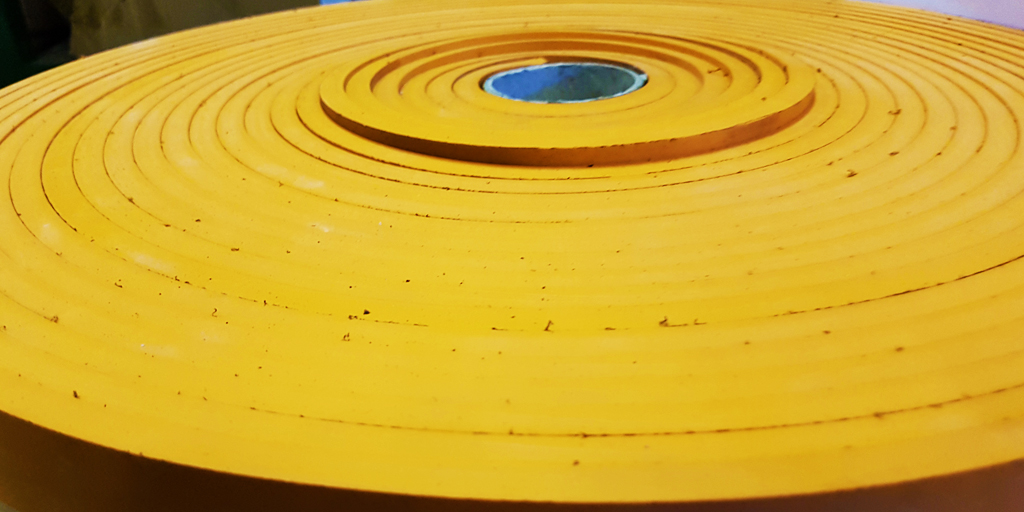
Foams
Lightweight, compressible materials for cushioning, insulation, protection or light sealing, available in presentations to be confirmed for each project.
Explore assembly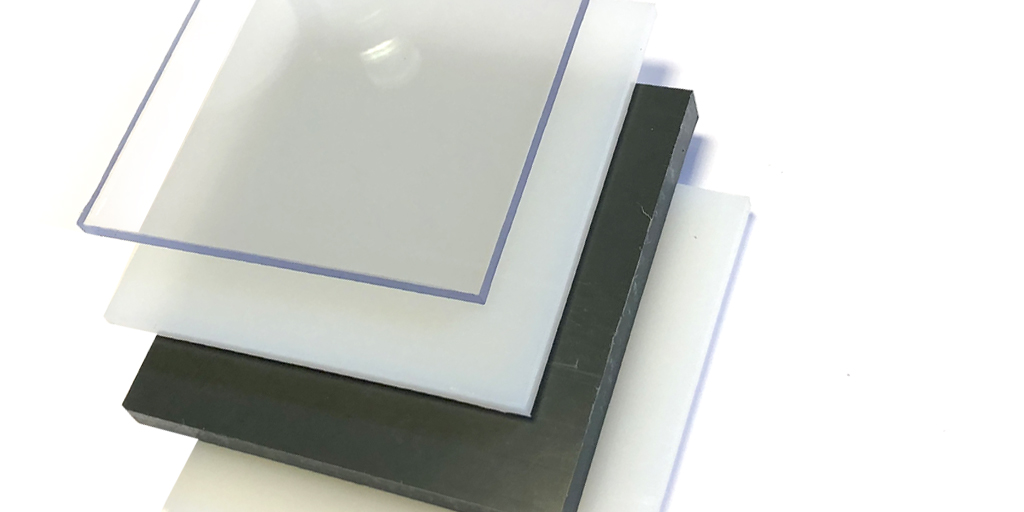
Plastics
Sheets and synthetic materials that can be cut or machined into technical shapes, spacers, guards and components.
Explore machining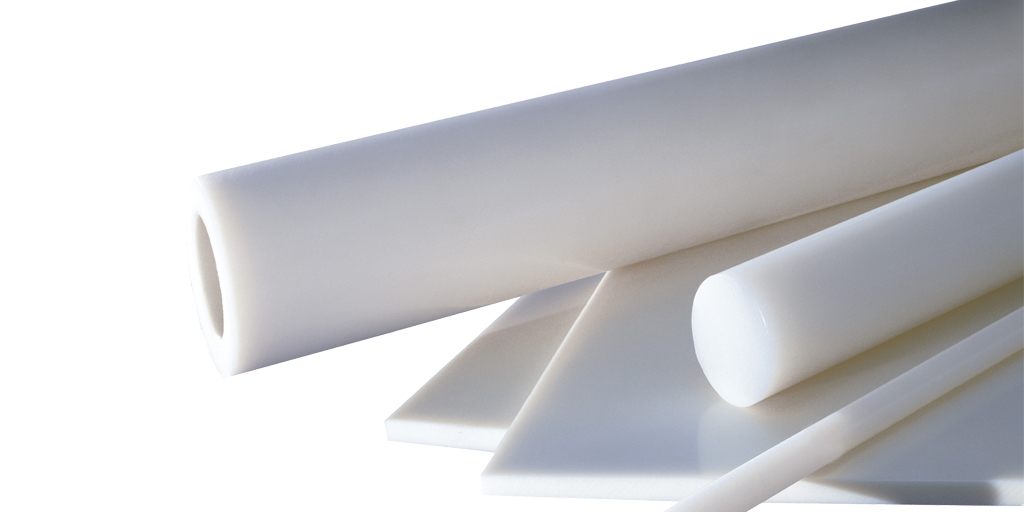
PTFE
A technical material selected in some applications for its sliding properties and resistance to many environments. Suitability must be checked case by case.
Discuss a machined part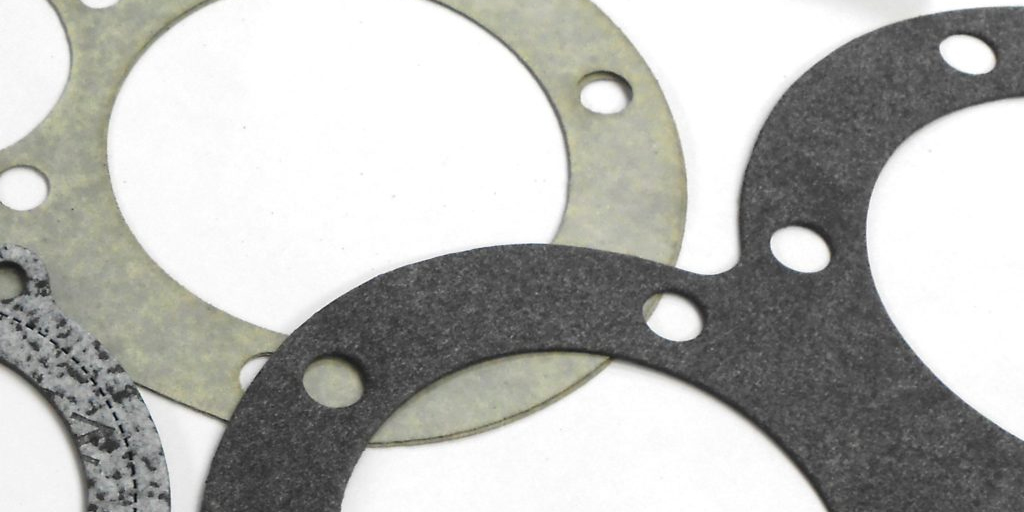
Felts and cork
Solutions for protection, spacing, insulation, wiping or cushioning. Density, thickness and presentation should be specified for the application.
Discuss a cut shape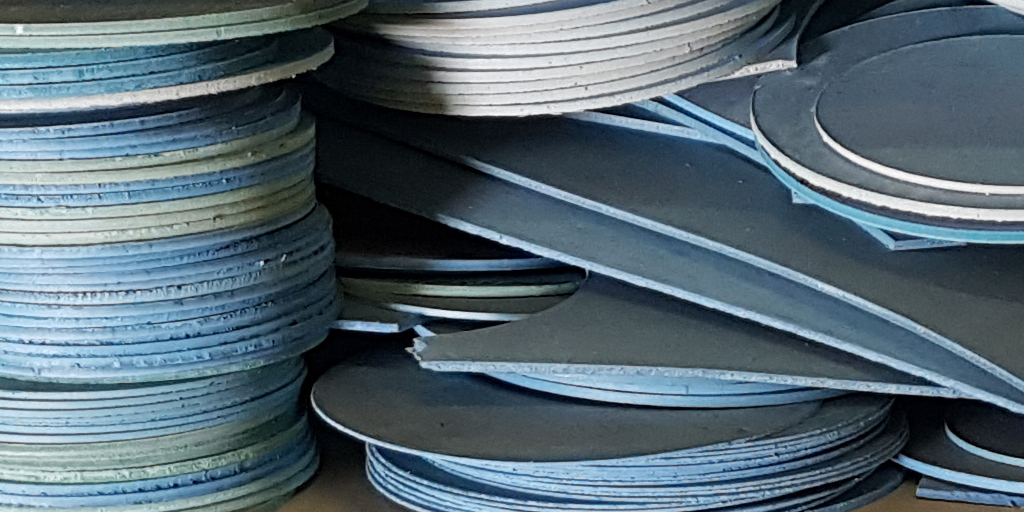
Jointing sheets
Sheet materials used to manufacture flat gaskets. Selection depends in particular on the fluid, temperature, pressure and installation conditions.
Discover cut gaskets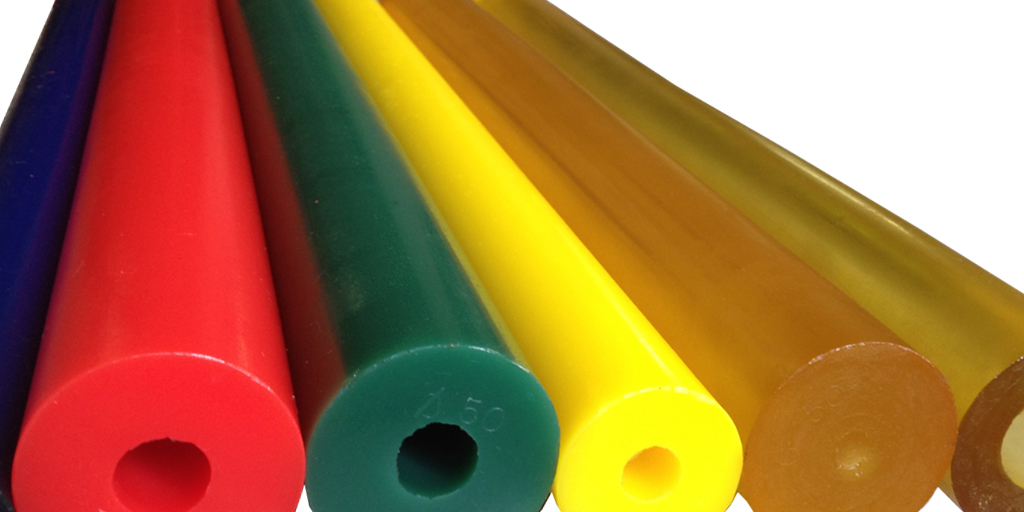
Flexible PVC and special materials
Some requirements call for a less common material or combination. Send the expected function, an existing reference or a sample so the workshop can assess the most coherent solution and process.
Submit a particular requirementA methodical choice
Start with the constraint, not only the material name.
Two materials from the same family may behave very differently. A reliable assessment connects the intended use, environment, geometry and manufacturing method.
- Describe the functionSeal, insulate, protect, cushion, guide or replace a part.
- Specify the environmentTemperature, fluids, pressure, friction, outdoor use or particular contact.
- Provide the definitionDrawing, dimensions, sample, quantity and any known reference.
Material not identified?
Tell us about the part and its environment.
A photograph, drawing or existing sample can help the workshop guide the assessment.